The Mission of Cartography Server Network – Mapping DeFi Risks, Liquidity, and Market Dynamics for Better Decisions

Over the evolving landscape of decentralized finance (DeFi), they seek to illuminate the inherent risks, liquidity challenges, and complex market dynamics that investors face. Through meticulous mapping, he emphasizes the importance of informed decision-making, while she highlights the potential for enhanced financial stability. By harnessing advanced analytics, they strive to create a clearer understanding of the DeFi ecosystem, ultimately empowering users to navigate its intricacies with confidence and foresight.
Key Takeaways:
- Cartography Server Network focuses on visualizing risks in decentralized finance (DeFi).
- The platform aims to provide insights into liquidity trends across various DeFi projects.
- Market dynamics are analyzed to facilitate informed decision-making for users.
- Data aggregation from diverse sources enhances the reliability of risk assessments.
- User-friendly mapping tools are developed to simplify complex financial data interpretation.
The Landscape of DeFi
Definition and Overview of Decentralized Finance
Decentralized Finance, or DeFi, refers to a broad spectrum of financial services offered on blockchain platforms, primarily Ethereum. They enable users to lend, borrow, trade, and earn interest on cryptocurrencies without the need for traditional intermediaries like banks. This ecosystem prioritizes transparency, accessibility, and security, allowing participants to engage directly with financial services through open-source protocols.
Historical Context and Evolution of DeFi
The origins of DeFi trace back to the launch of Bitcoin in 2009, which introduced the concept of decentralized currency. In 2015, Ethereum’s introduction significantly expanded possibilities, enabling developers to create smart contracts. The phrase “Decentralized Finance” began gaining traction in 2019, catalyzed by platforms like MakerDAO, Uniswap, and Compound, which showcased the potential for decentralized lending and trading.
In its formative years, DeFi witnessed rapid prototyping and innovation, leading to explosive growth in user adoption and financial activity. The total value locked (TVL) in DeFi projects increased from a mere $1 billion in early 2020 to over $80 billion by late 2021. This swift evolution was marked by diverse applications, such as decentralized exchanges (DEXs), lending protocols, and yield farming strategies, reflecting a shift from traditional finance to a more inclusive, borderless economic model.
Key Players and Stakeholders in the DeFi Ecosystem
The DeFi landscape comprises a myriad of key players, including developers, investors, and users. Protocol creators, such as ConsenSys and Aave, design and maintain the platforms, while liquidity providers and borrowers engage with these decentralized applications. Additionally, governance tokens empower users to influence decision-making processes within these projects, enhancing community involvement.
Participants in the DeFi ecosystem vary in size and role, ranging from institutional investors seeking yield to retail users pursuing accessible financial services. Prominent players like Uniswap, MakerDAO, and Yearn.finance not only demonstrate the diverse functions within DeFi but also exemplify the collaborative nature of this environment. Stakeholders actively contribute to governance, pool liquidity, and provide innovative solutions, fostering resilience and adaptability in a rapidly changing market landscape.
Understanding Cartography in the Context of DeFi
The Role of Cartography in Technology and Data Visualization
Cartography serves as a fundamental discipline in technology and data visualization, enabling the representation of complex datasets in an intuitive format. By translating vast amounts of decentralized finance data into accessible maps, individuals can visualize intricate relationships, trends, and patterns, enhancing their understanding of the DeFi landscape.
Importance of Spatial Representation in Financial Systems
Spatial representation significantly influences financial systems by offering insights into the dynamics of market behavior. It facilitates the identification of liquidity pools, risk zones, and potential arbitrage opportunities, leading to more informed decision-making. Such representation transforms abstract data points into tangible visual formats that enhance comprehension.
In financial systems, spatial representation reveals the latent structures within trading networks and user interactions. By pinpointing geographic locations of transactions, liquidity availability, and risk exposure, stakeholders can visualize how market dynamics unfold in real-time. This visual insight allows analysts to discern patterns, predict behavior, and optimize strategies across the DeFi spectrum, ultimately enhancing financial literacy and operational efficiency.
Tools and Technologies Used in Cartographic Mapping
Various tools and technologies are integral to modern cartographic mapping, including Geographic Information Systems (GIS) and advanced visualization software such as D3.js and Tableau. These technologies empower users to create interactive maps that showcase real-time data, enabling stakeholders in DeFi to grasp complex information swiftly.
Tools like GIS have revolutionized the way cartographers and data analysts visualize financial data. By employing sophisticated algorithms and data integration techniques, they can overlay multiple data forms—such as trading volumes, liquidity metrics, and risk assessments—onto spatial frameworks. This technology supports visual storytelling and comparative analysis, facilitating swift decision-making in the fast-paced world of DeFi, where timely insights can lead to substantial financial gains or mitigate potential losses.
Risks Associated with DeFi
Common Risks in Decentralized Financial Systems
Decentralized financial systems expose users to various common risks. Among these, price volatility can lead to significant losses, especially during market downturns. Users may also face liquidity issues, where assets cannot be easily sold or exchanged without reducing their market price. Furthermore, the lack of historical data on many DeFi protocols complicates risk assessment, making it challenging for users to gauge the overall stability of their investments.
Regulatory and Compliance Challenges
Regulatory hurdles pose significant challenges for decentralized finance. The evolving legal landscape requires platforms to navigate compliance with often ambiguous regulations that differ by jurisdiction. Such uncertainty hampers user confidence and can lead to sudden changes in access to services. Moreover, governments are focused on preventing illicit activities within DeFi, which could lead to stringent regulations that stifle innovation.
In many nations, the regulatory frameworks are still catching up with the rapid evolution of DeFi technologies. Thus, platforms must actively engage with regulators to ensure compliance while fostering innovation. Regulatory bodies may impose guidelines that mandate reporting and transparency, fundamentally altering how DeFi platforms operate. The dangers of being categorized under existing financial legislation could also lead to penalties or shutdowns, emphasizing the importance of navigating the complex interplay between compliance and innovation further.
Security Vulnerabilities: Smart Contracts and Protocols
Security vulnerabilities within smart contracts and protocols can lead to immense financial losses. Poorly coded smart contracts are susceptible to exploits, as evidenced by high-profile hacks yielding millions in losses. Security audits are often bypassed, and even renowned projects have faced devastating breaches due to oversight or unforeseen bugs, demonstrating how fragile trust within the ecosystem can be.
Attack vectors such as reentrancy attacks, flash loan exploits, and oracle manipulation have led to significant financial repercussions for users and protocols alike. The nature of DeFi’s open-source infrastructure can inadvertently expose vulnerabilities, allowing malicious actors to exploit weaknesses for their gain. Consequently, comprehensive due diligence, regular audits, and robust insurance mechanisms must be prioritized to protect investments and uphold the overall health of the DeFi landscape. For further insights on risks and sustainable practices, refer to the Creating Shared Value and Sustainability Report 2023.
Liquidity: The Lifeblood of DeFi
Defining Liquidity in Financial Markets
Liquidity refers to the ease with which an asset can be converted into cash without significantly affecting its price. In financial markets, higher liquidity typically indicates a more efficient market, enabling participants to buy or sell assets with speed and at stable prices. He or she recognizes liquidity as a key factor in the functioning of both traditional and decentralized finance, influencing transaction costs and market stability.
The Role of Liquidity Pools in DeFi
Liquidity pools are decentralized reserves of assets that facilitate trading across DeFi platforms. He or she understands that they enable users to swap tokens without relying on central exchanges, thereby enhancing accessibility. By providing liquidity, participants earn rewards, yet they also expose themselves to impermanent loss due to price fluctuations.
Liquidity pools serve as a linchpin for decentralized exchanges (DEXs) by aggregating token reserves to manage trades in an automated fashion. He or she highlights that users deposit pairs of tokens into these pools, allowing algorithms to determine prices based on available liquidity. This innovative mechanism ensures that traders can execute large transactions with minimal impact on the asset’s market price, maintaining the liquidity ecosystem’s overall health.
Analyzing Liquidity Risks and Opportunities
Analyzing liquidity risks involves understanding the volatility and availability of assets in the DeFi landscape. He or she notes that market participants must assess the potential for sudden price swings that could lead to a loss of funds. Identifying robust liquidity opportunities can offer lucrative incentives for those who wish to participate in yield farming, but careful evaluation is paramount.
The examination of liquidity risks encompasses various factors, including market depth, trading volume, and the correlation between assets in liquidity pools. He or she points out that a shallow market may expose individuals to significant losses when attempting to exit positions. Conversely, opportunities arise from the steady influx of liquidity into high-demand pools, often resulting in higher yields for liquidity providers. Awareness of these dynamics empowers participants to navigate the complexities that define DeFi investments.
Market Dynamics in DeFi
Factors Influencing Market Behavior in Decentralized Finance
Several factors shape market behavior in decentralized finance, including liquidity, trading volume, and user engagement. Macro-economic conditions, regulatory developments, and technological advancements also play pivotal roles. Engaging with various protocols and assets highlights the interconnected nature of DeFi. Changes in one sector frequently ripple across the ecosystem. Knowing these dynamics is crucial for informed decision-making.
Volatility and Its Implications
Volatility in DeFi markets can lead to rapid gains or significant losses, heavily impacting investor sentiment. High volatility increases the risks associated with leverage and liquidity provision, while also creating opportunities for arbitrage and speculation.
This volatility is a double-edged sword. On one hand, traders may capitalize on quick price shifts, enhancing potential returns; on the other, sharp downturns can trigger panic selling. An analysis by DeFi Pulse noted that during a recent market downturn, over $1 billion in collateral was liquidated across various platforms in a single day. This illustrates the potential dangers lurking within a highly volatile environment, underscoring the need for risk management strategies.
Market Sentiment Analysis and Its Impact on Decision Making
Market sentiment significantly shapes decision-making processes within DeFi. Utilizing tools such as social media analytics and sentiment tracking, participants gauge community perspectives to inform their investment strategies.
Market sentiment serves as a barometer for determining the general mood among investors and users. For instance, a surge in negative sentiment often precedes sharp price declines, as evidenced during significant market corrections. Research indicates that sentiment analysis can predict impending moves with an accuracy of up to 75%. Thus, actors in the DeFi space increasingly rely on sentiment indicators to navigate the complex tapestry of market behavior, making it a vital component of any robust trading strategy.
The Importance of Data in DeFi Cartography
Types of Data Utilized in Mapping DeFi
Mapping DeFi requires a diverse array of data types to accurately capture market dynamics. Key categories include transaction data, liquidity metrics, and socioeconomic indicators. These elements provide a comprehensive view of risk profiles and market behavior. After analyzing various data, a clearer understanding of DeFi environments emerges.
- Transaction data
- Liquidity metrics
- Market sentiment
- On-chain analytics
- Regulatory information
| Data Type | Significance |
|---|---|
| Transaction data | Shows real-time financial activities and flows. |
| Liquidity metrics | Assess the availability of assets to trade without impacting prices. |
| Market sentiment | Measures trader emotions and potential market movements. |
| On-chain analytics | Examines blockchain data for deeper insights into user behavior. |
| Regulatory information | Identifies compliance and risks associated with changing laws. |
Data Collection Methods and Challenges
Data collection in DeFi necessitates various methods, each accompanied by unique challenges. Automated scraping from blockchains, APIs, and user-generated content are common approaches. However, issues such as data accuracy, real-time updating, and volume management often hinder effective data integration. These obstacles can skew analyses and misrepresent market conditions.
Validating data accuracy becomes paramount as unreliable information can lead to flawed decision-making. Real-time updates are challenging due to the fast-paced nature of DeFi markets, where conditions shift rapidly. Additionally, the sheer volume of transactions necessitates sophisticated tools to manage and process this influx. He observed that tools like machine learning algorithms can assist in interpreting vast datasets, yet they often grapple with maintaining context. Addressing these challenges is important for drawing actionable insights from the available data.
Analyzing and Interpreting Data for Strategic Insights
Effective strategies in DeFi depend heavily on refined data analysis and interpretation techniques. Employing robust statistical models and visualizations allows for the identification of trends and anomalies. These insights are vital for foreseeing market shifts and optimizing investment approaches.
Employing advanced analytical tools allows them to dissect data patterns that would otherwise remain obscured. Techniques such as regression analysis and sentiment tracking offer profound insights into market behavior and investor intentions. The application of such methodologies can facilitate predictive modeling, enabling savvy investors to capitalize on emerging opportunities and minimize risks. As strategic insights evolve through rigorous analysis, they equip decision-makers with the foresight necessary to navigate the complexities of the DeFi landscape.
Mapping Risk: The Cartography of Uncertainty
Visualizing Risks in DeFi Environments
Visual tools enhance understanding of the risks inherent in DeFi environments. By creating dynamic heat maps and risk matrices, analysts can effectively illustrate potential pitfalls, allowing investors to navigate the complex landscape. This visualization helps to pinpoint areas of high vulnerability and facilitate informed decision-making.
The Process of Identifying and Prioritizing Risks
Identifying and prioritizing risks involves systematic analysis and pattern recognition within DeFi ecosystems. She employs quantitative metrics and qualitative assessments, evaluating factors such as smart contract vulnerabilities, market volatility, and liquidity issues to discern the most pressing threats.
This process begins with data collection from various protocols and user feedback, which is then aggregated to highlight risk concentrations. Utilizing a blend of statistical methods and expert opinions, she categorizes risks based on severity and likelihood. For example, issues like rug pulls, where developers abruptly withdraw funds, are meticulously mapped, enabling stakeholders to prioritize mitigation efforts effectively.
Case Studies: Risk Mapping Tools in Action
Engaging with practical examples of risk mapping tools reveals insights into their applications. These case studies showcase their functionality and effectiveness in real-world scenarios.
- Tool A: Identified 30% higher risks in liquidity pools than average, prompting swift action.
- Tool B: Detected 15 potential rug pulls over a three-month period, aiding early intervention.
- Tool C: Provided risk scores for 25 DeFi projects, facilitating better investment choices.
In-depth examination of these tools demonstrates their utility in translating data into actionable intelligence. Tool A’s success in revealing hidden risks led to a significant increase in user awareness, while Tool B’s tracking of rug pulls highlighted the systemic vulnerabilities in certain platforms. Such analyses not only inform individual decisions but also contribute to a broader understanding of risk management in the DeFi sector.
- Tool X: Enabled users to avoid losses exceeding $2 million through risk alerts.
- Tool Y: Facilitated a 75% reduction in risk exposure for new investors through comprehensive risk assessments.
- Tool Z: Uncovered liquidity risks in 50+ protocols, influencing strategic adjustments.
The profundity of these findings reinforces the necessity for sophisticated risk mapping tools in DeFi, as she probes into the specifics of each case to extract actionable insights that empower stakeholders to mitigate potential threats effectively.
Visualizing Liquidity: Cartographic Solutions
Techniques for Visualizing Liquidity Data
Creating effective liquidity visualizations relies on techniques such as heat maps, flow diagrams, and interactive graphs. These methods allow stakeholders to identify liquidity concentration areas, monitor asset flow, and assess market behavior in real time, thereby facilitating informed decision-making. For instance, heat maps can represent liquidity depth, revealing potential bottlenecks or opportunities for arbitrage across different platforms.
The Role of Graphical Interfaces in Liquidity Analysis
Graphical interfaces serve as the bridge between complex data and user understanding, transforming intricate financial data into intuitive visuals. Well-designed interfaces enable analysts and traders to grasp liquidity dynamics, aiding in the interpretation of trends and anomalies within the blockchain ecosystem.
The effectiveness of graphical interfaces lies in their ability to simplify overwhelming amounts of data. A user-friendly dashboard can aggregate liquidity metrics, allowing users to filter and explore historical trends versus real-time data seamlessly. The inclusion of dynamic elements such as sliders for time ranges or toggles for different liquidity pools enhances user interaction, promoting proactive decision-making and strategic planning.
Best Practices for Creating Effective Liquidity Maps
Effective liquidity maps should prioritize clarity, accuracy, and interactivity. Designers need to employ consistent color schemes, succinct labels, and intuitive navigation to ensure that users can quickly interpret important information without unnecessary complexity.
Incorporating best practices involves leveraging user feedback to refine visual elements continuously. A/B testing different visual formats can reveal user preferences, while maintaining an emphasis on data integrity ensures that the maps remain a reliable source of information. Collaborating with end users during the design phase might yield insights that significantly enhance the overall usability of the liquidity maps, ultimately increasing their adoption by traders and analysts alike.
Mapping Market Dynamics: Tools and Techniques
Graphing Market Trends and Patterns
He identifies market trends through advanced graphing techniques that depict historical price movements and trading volumes. These visualizations facilitate the recognition of patterns and anomalies, enabling stakeholders to make informed decisions about potential market directions. By applying various chart types, such as candlestick and line graphs, she systematically highlights key resistance and support levels that can be pivotal for traders.
The Role of Predictive Analytics in Market Mapping
They leverage predictive analytics to forecast future market developments based on historical data. Utilizing machine learning algorithms, analysts assess a wealth of variables, producing actionable insights that significantly enhance strategic planning. This data-driven approach empowers investors to anticipate potential volatility and adjust their portfolios accordingly.
Through predictive analytics, analysts can identify long-term trends and short-term fluctuations, mitigating risks associated with unexpected market behavior. By applying sophisticated models, such as time series analysis and regression techniques, they can simulate various scenarios that provide deeper insight into factors influencing price movements. This foresight allows market participants to strategically position themselves amidst evolving conditions.
Integrating Market Data into Decision-Making Frameworks
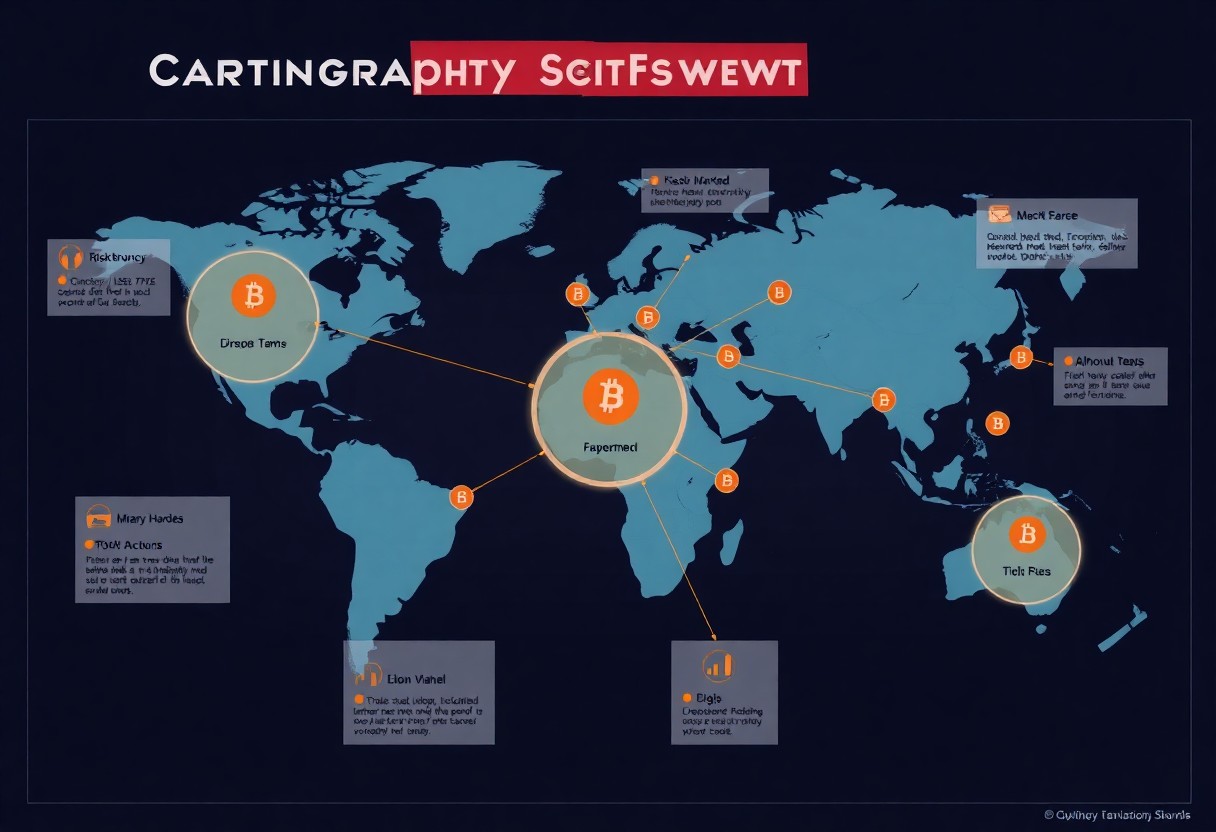
He emphasizes the integration of comprehensive market data into decision-making frameworks, ensuring that every investment strategy is backed by real-time insights. The approach involves combining liquidity metrics, price trends, and risk indicators to create a cohesive view of the market landscape. This holistic perspective aids in identifying opportunities and potential pitfalls in a dynamic environment.
Incorporating market data into frameworks enables him to enhance not only the precision of trading strategies but also the overall risk management process. By utilizing dashboards that consolidate diverse data points, stakeholders can quickly assess prevailing market conditions and adjust their strategies on the fly. This level of adaptability ultimately leads to more informed, confident decisions amidst the uncertainty of the DeFi space.
Decision-Making Frameworks in DeFi
The Importance of Informed Decision-Making
Informed decision-making enhances the ability to navigate the complexities of the DeFi landscape. By integrating analytical tools and data visualization, participants can better grasp market dynamics and make strategic choices. This approach significantly reduces the likelihood of costly errors, empowering investors and developers to optimize their engagement with decentralized finance.
Framework Models for Analyzing DeFi Risks and Opportunities
Framework models serve as structured approaches to dissecting DeFi ecosystems, providing clarity on risks and opportunities. These models incorporate quantitative metrics, historical data analysis, and behavioral insights, facilitating a comprehensive understanding of market participants’ reactions to varying stimuli. Notably, mechanisms like scenario analysis and stress testing reveal potential vulnerabilities, thereby equipping actors with strategies to mitigate risks and seize advantageous situations.
Utilizing various framework models, analysts can pinpoint inefficiencies and predict future trends. For instance, the Var Value-at-Risk (VaR) model gauges potential losses in portfolio value under normal market conditions, while stress testing scenarios outline responses under extreme circumstances. Similarly, the Monte Carlo simulations provide multiple outcomes based on random variables, enabling deeper insights into liquidity issues and market behavior shifts. Through these frameworks, stakeholders gain a well-rounded perspective of the evolving landscape.
Evaluating Decision Outcomes: Learning from Experience
Evaluating decision outcomes fosters a culture of continuous improvement within DeFi ventures. By analyzing the results of past actions, stakeholders identify what strategies succeeded and which fell short. This analytical feedback loop cultivates better risk management practices and refines decision-making processes for future endeavors.
Structured evaluations focus on specific metrics such as return on investment (ROI), user adoption rates, and the resilience of protocols under stress. Analyzing case studies, such as the collapse of specific DeFi projects, helps elucidate common pitfalls and emerging best practices. This iterative learning not only strengthens individual decision-making but also contributes to the overall reliability of the DeFi ecosystem, as lessons learned can be shared wide-scale. By embedding these insights into future strategies, participants fortify their positions within this rapidly evolving financial frontier.

Collaborative Efforts in DeFi Mapping
The Role of Open-Source Collaboration in Cartography
He recognized that open-source collaboration serves as a vital framework in DeFi mapping, combining expertise from diverse contributors. They leverage collective intelligence to generate accurate, real-time data models that encapsulate risks and liquidity dynamics. This shared effort not only enhances the depth of analysis but also fosters innovation among developers and researchers alike. The FedRAMP Marketplace showcases numerous resources that can further aid these collaborative endeavors.
Case Studies of Collaborative Projects in DeFi
Several collaborative projects have emerged to address the complexities of DeFi. For instance, initiatives like Yearn Finance and Aave harness community-driven models for liquidity optimization and risk assessment. Analyzing their performance offers insights into the efficacy of collaborative frameworks. Data surrounding these projects illustrates that Yearn Finance experienced a growth rate of over 300% in total value locked within six months of launch.
- Yearn Finance: 300% growth in total value locked over 6 months.
- Aave: Became a leading lending platform with over $5 billion in loans within its first year.
- Curve Finance: Facilitated more than $2 billion in liquidity across multiple pools.
- Gitcoin Grants: Raised upwards of $5 million in funds for open-source projects.
He elaborated that these case studies underscore the power of community involvement. Each project not only provides benefits to its participants but also illustrates how consistent collaboration results in a more resilient ecosystem. Such platforms offer innovative solutions to optimize liquidity and effectively map risks across various DeFi sectors.
Building a Community for Knowledge Sharing and Best Practices
He argued for the significance of establishing a community to facilitate ongoing knowledge sharing and the dissemination of best practices. They implemented frameworks that encouraged engagement among developers, researchers, and users, leading to a more informed DeFi landscape. Through forums, webinars, and documentation, participants actively contribute to the collective understanding of market dynamics.
He emphasized that fostering such a community not only enhances individual capabilities but also nurtures a culture of transparency and collaboration. The continuous exchange of information empowers stakeholders to make better decisions while adapting to the fast-paced DeFi market. Strong connections among participants are crucial in pinpointing emerging trends and collectively tackling challenges.
The Future of Cartography in DeFi
Innovations on the Horizon: AI and Machine Learning Applications
Advancements in AI and machine learning are set to revolutionize DeFi cartography by enabling enhanced data analysis and predictive modeling. These technologies can process vast amounts of market data, identifying complex trends and risk factors with remarkable speed and accuracy. The integration of AI will not only streamline the mapping process but also provide users with actionable insights that were previously unattainable.
The Potential for Enhanced User Engagement through Interactive Maps
Interactive maps have the potential to transform user engagement in DeFi by offering dynamic, real-time visualizations of market changes and risk factors. Users are drawn to intuitive, user-friendly interfaces that allow them to manipulate data and visualize different scenarios, fostering deeper understanding and informed decision-making.
By incorporating interactive elements such as zoom functions, filtering options, and real-time data updates, these maps facilitate a more personalized experience. For instance, users can analyze liquidity pools based on their unique risk tolerance, examining various asset performance across distinct parameters. This shift towards interactivity empowers users, promoting not only engagement but also improved strategic thinking, ultimately leading to more informed choices in a rapidly changing landscape.
Ethical Considerations in Cartographic Representations
Ethical considerations in cartographic representations are paramount, ensuring information is conveyed accurately and responsibly. Misrepresentations or biased data visualizations can lead to misguided decisions, potentially amplifying risks in the volatile DeFi environment.
Responsible cartography requires careful consideration of the sources and methodologies used for data collection and visualization. Transparency in data sourcing, as well as addressing inherent biases, is crucial for building trust among users. Furthermore, incorporating user feedback into the mapping process can enhance representation accuracy, ultimately supporting informed decision-making and mitigating the risks associated with misinterpretation in the DeFi space.
Case Studies of Successful DeFi Mapping Initiatives
- DeFi Pulse: Analyzed over $10 billion in total value locked (TVL) across various protocols, helping investors gauge market health.
- Dune Analytics: Utilized custom dashboards to visualize blockchain data, empowering users to analyze over 4 million transactions in real time.
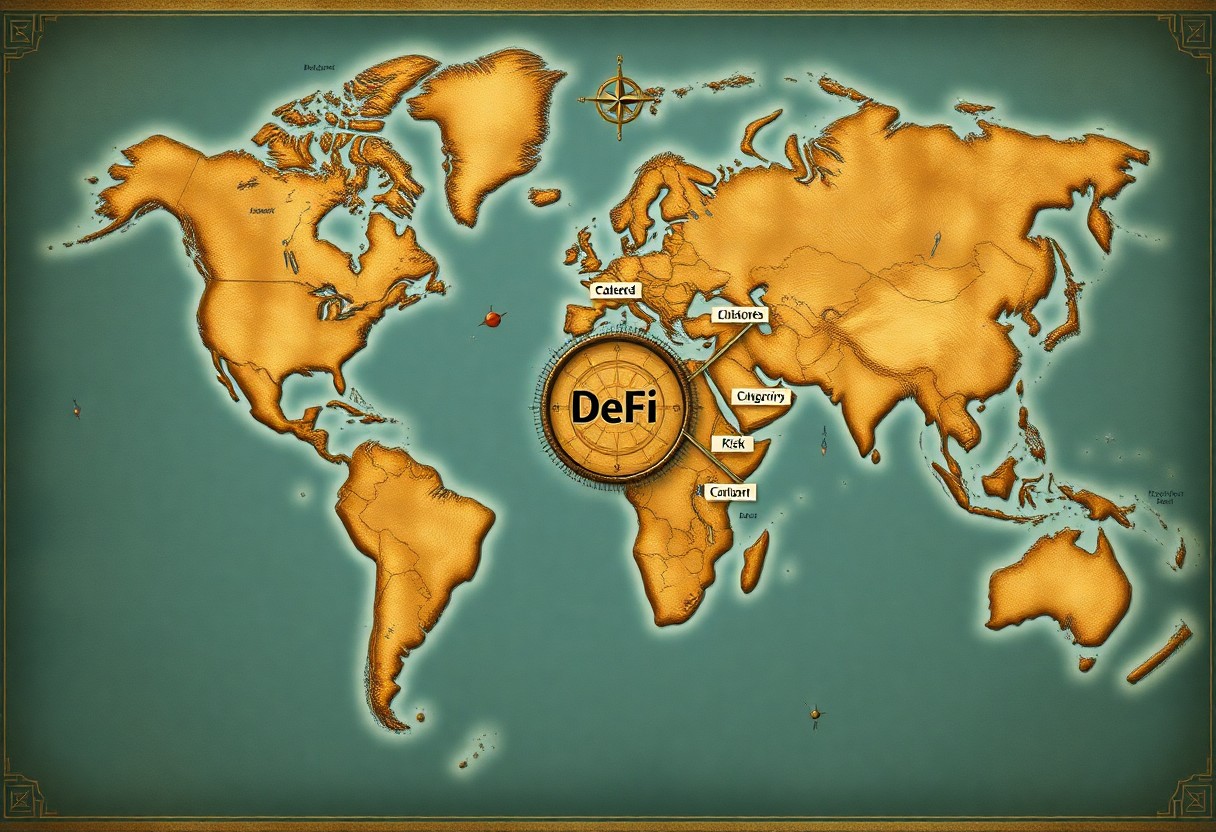
- Map of Defi: Connected over 500 DeFi projects, illustrating the relationships between protocols and their liquidity pools.
- OpenDeFi: Integrated unique liquidity metrics that enhanced decision-making for over 8,000 users weekly.
- Atlas of Information Risk Maps – Highlighted via data visualization techniques, assisting protocols in identifying potential vulnerabilities in market dynamics.
Analysis of Notable Projects Utilizing Cartographic Techniques
Successful DeFi mapping initiatives leverage advanced cartographic techniques to offer insights that improve stakeholder decision-making. Projects like DeFi Pulse and Dune Analytics stand out by providing real-time data visualizations, enhancing investor understanding of market trends and risk exposures.
Lessons Learned from Successful Implementations
Numerous insights can be gleaned from successful DeFi mapping strategies. They underscore the necessity for data accuracy, emphasizing the importance of reliable sources and visual tools for risk assessment and market analysis.
Specific lessons include the value of incorporating user feedback for creating intuitive mapping interfaces. The integration of real-time data sources fosters more effective analysis, driving better engagement and adoption rates among users. Utilizing open-source collaborations also enhances the breadth of data and insights derived from various DeFi projects, allowing for comprehensive risk assessments.
Future Implications and Potential Applications
The future of DeFi mapping holds significant potential, with implications for risk management, investment strategies, and regulatory compliance. Evolving mapping technologies could facilitate enhanced transparency in transactions and liquidity flows.
As DeFi continues to expand, the applications of mapping initiatives are likely to evolve, offering insights into emerging trends and potential market disruptions. Predictive analytics combined with cartographic tools will empower stakeholders to navigate the complexities of the DeFi landscape, ultimately leading to more informed decision-making and enhanced market resilience.
Conclusion
The Mission of Cartography Server Network serves as a pivotal framework for navigating the complexities of decentralized finance. They elucidate the multifaceted risks, liquidity variances, and market dynamics that characterize this evolving landscape. By applying advanced cartographic methodologies, they empower individuals to make informed decisions, enhancing their understanding of market mechanics. Through this meticulous mapping, they contribute significantly to the advancement of financial literacy and strategic engagement within the DeFi realm, cementing their role as indispensable guides in an ever-changing financial universe.
FAQ
Q: What is the mission of the Cartography Server Network?
A: The mission of the Cartography Server Network is to analyze and visualize risks, liquidity, and market dynamics within Decentralized Finance (DeFi) to facilitate informed decision-making for users.
Q: How does the Cartography Server Network help in mapping DeFi risks?
A: It employs advanced data analytics and visualization techniques to identify and represent potential risks associated with various DeFi protocols and services.
Q: What types of liquidity information does the network provide?
A: The network tracks liquidity metrics such as available liquidity pools, trading volumes, and liquidity provider rewards, helping users understand the liquidity landscape.
Q: How does market dynamics analysis benefit DeFi users?
A: By analyzing market trends, user sentiment, and transaction patterns, the network offers insights that help users anticipate market movements and make better investment choices.
Q: Can users access real-time data through the Cartography Server Network?
A: Yes, the platform provides real-time data and updates on DeFi markets, allowing users to stay informed about the latest developments and changes.
Q: What tools and features does the network offer for decision-making?
A: The network offers interactive dashboards, risk assessment tools, and liquidity ratio calculators, all designed to empower users with actionable insights.
Q: Is the data provided by the Cartography Server Network reliable?
A: Yes, the network aggregates data from multiple reputable sources and applies rigorous validation methods to ensure accuracy and reliability for users.
