How Liquidity Mapping Helps Traders Anticipate Rotation Between Ethereum, L2s, and Emerging Chains

Most traders understand the significance of liquidity mapping as a tool for navigating the complexities of the cryptocurrency market. By analyzing liquidity flows, they can effectively anticipate rotations between Ethereum, Layer 2 solutions, and emerging chains, optimizing their trading strategies. This method unveils underlying market dynamics, revealing where opportunities and potential risks lie. He, she, or they leverage these insights to adapt swiftly to changing market conditions, enhancing their decision-making processes and potentially yielding substantial gains.

Key Takeaways:
- Liquidity mapping identifies areas of high trading activity, aiding traders in recognizing where capital is flowing between Ethereum, Layer 2 solutions, and emerging chains.
- Understanding liquidity movements enables anticipation of market rotations, allowing traders to make informed decisions on asset allocation.
- Monitoring liquidity trends can signal potential shifts in investor sentiment towards specific chains or technologies.
- Effective liquidity mapping incorporates on-chain data and trading volume analysis to predict short-term market trends.
- Utilizing advanced tools for liquidity mapping can enhance a trader’s strategy in a rapidly evolving blockchain landscape.
Understanding Liquidity Mapping
Definition and Concepts
Liquidity mapping is the analysis of trading volumes and order book depths across various blockchain ecosystems, enabling traders to pinpoint where the most significant capital movements occur. By assessing liquidity through diverse metrics, they can understand market dynamics and potential opportunities for profitable trades.
Historical Context of Liquidity Mapping
The concept of liquidity mapping evolved alongside technological advancements in trading systems and blockchain technology. Initially focused on traditional finance, methods of measuring liquidity have expanded to encompass digital assets, reflecting a growing recognition of decentralized finance’s impact on market behavior.
The rise of blockchain in the late 2000s illustrated the necessity for innovative liquidity evaluation tools. Traditional metrics became less effective as decentralized exchanges emerged, prompting traders to adapt their strategies. Notably, the 2017 ICO boom highlighted liquidity’s role in asset valuation, as many projects lacked sustainable trading volumes. As decentralized finance (DeFi) proliferated, liquidity mapping became necessary for real-time data analysis, leading to enhanced trading strategies and risk management techniques.
Importance in Financial Markets
Liquidity mapping resonates across financial markets, fostering a deeper understanding of asset flows and market trends. Traders utilize this data to identify potential price shifts, enabling them to execute trades with greater precision and timing.
In the context of digital assets, the significance of liquidity mapping cannot be understated. Emerging chains often lack robust trading volumes, leading to greater price volatility. By recognizing liquidity transitions, traders position themselves strategically, capitalizing on the asset’s movement. For example, during the Ethereum congestion in mid-2020, liquidity mapping allowed savvy investors to shift their focus to Layer 2 solutions, safeguarding profits while mitigating risks. As competition intensifies, leveraging liquidity mapping remains necessary for sustained trading success.
The Role of Ethereum in the Cryptocurrency Ecosystem
Overview of Ethereum’s Functionality
Ethereum serves as a decentralized platform enabling developers to create and deploy smart contracts and decentralized applications (dApps). Its built-in cryptocurrency, Ether, facilitates transactions within this ecosystem, providing a versatile medium for value exchange. The platform’s adaptability has fueled innovation, resulting in a diverse array of services ranging from finance to gaming.
Historical Performance Trends
Historically, Ethereum has demonstrated significant price volatility, driven by market speculation, technological advancements, and adoption rates. It has outperformed many alternative cryptocurrencies, solidifying its status as a leading blockchain.
From its inception, Ethereum’s price trajectory showcased explosive growth. For instance, in 2017, Ethereum surged from approximately $8 to over $1,400, driven by increasing interest in ICOs and dApps. Subsequent developments, such as the transition to Ethereum 2.0, have bolstered expectations of further price stability and scalability, further influencing traders’ strategies and market dynamics.
Impact on Market Liquidity
Ethereum significantly impacts overall market liquidity, being a primary trading pair for many tokens. Its vast network and trading volume foster an environment where liquidity providers can efficiently transact without considerable price slippage.
The extensive use of Ethereum as a settlement layer boosts liquidity across numerous decentralized exchanges and platforms. As Ethereum’s trading volume rises, it enhances the liquidity of associated altcoins, creating an interconnected ecosystem where traders can shift capital fluidly. The association with emerging Layer 2 solutions amplifies this effect, as they help alleviate network congestion while maintaining Ethereum’s robustness and reliability. For further insights, see VanEck’s Ethereum Layer-2s Valuation Prediction by 2030.
Layer 2 Solutions: Definitions and Implications
Characteristics of Layer 2 Solutions
Layer 2 solutions enhance the scalability of blockchain networks by processing transactions off the main chain while maintaining a connection to the primary network. They reduce congestion and fees, offering faster transaction speeds and improved user experiences. Notably, these solutions often utilize techniques like rollups, state channels, and sidechains, enabling developers to introduce innovative functionalities without compromising security or decentralization.
Popular Layer 2 Platforms and Their Ecosystems
Several platforms exemplify the dynamics of Layer 2 solutions, with notable players including Arbitrum, Optimism, and zkSync. These ecosystems foster diverse applications, from decentralized finance (DeFi) to non-fungible tokens (NFTs), attracting developers and users alike. Each platform leverages unique technologies, such as Optimistic Rollups and zero-knowledge proofs, to optimize performance and ensure reliability.
Arbitrum stands out with its user-friendly integration and robust support for DeFi applications, while Optimism emphasizes simplicity and low fees for transactions. zkSync, on the other hand, showcases exceptional throughput and privacy features, appealing particularly to users who prioritize confidentiality. Collectively, these Layer 2 platforms create vibrant ecosystems, enabling a multitude of projects to flourish and evolving the overall Ethereum landscape.
The Relationship Between L2s and Ethereum
Layer 2 solutions are intrinsically linked to Ethereum, as they operate atop its primary architecture while inheriting its security features. This relationship allows developers to tap into Ethereum’s established user base and infrastructure while alleviating the network’s limitations, such as high gas fees and slow transaction times. This synergy fosters greater adoption of Ethereum-based applications, contributing to the overall growth of the ecosystem.
The relationship between Layer 2 solutions and Ethereum can be likened to a symbiotic alliance; as Layer 2 platforms enhance efficiency and user experiences, Ethereum remaining the backbone ensures developers can build on familiar grounds. This dynamic not only draws users seeking lower costs and faster transactions but also solidifies Ethereum’s position as the leading smart contract platform in the cryptocurrency realm. As more projects utilize Layer 2 solutions, Ethereum’s ongoing evolution seems assured, ushering in a new era of blockchain functionality.
Emerging Chains: A New Paradigm
Definition and Characteristics of Emerging Chains
Emerging chains are new blockchain platforms that aim to address limitations seen in established networks. They typically offer improved transaction speeds, lower fees, and unique consensus mechanisms. These chains may incorporate advanced features like cross-chain interoperability and specialized application-focused designs, catering to specific industries or services, thus attracting diverse developers and users.
Comparative Analysis of Emerging Chains
A comparative analysis of emerging chains reveals their varying strengths and weaknesses, as detailed in the table below. Each chain’s approach to scalability, security, and user engagement sets distinct trajectories in the vast ecosystem.
| Chain | Characteristics |
| Chain A | High throughput, low fees, strong community support |
| Chain B | Robust security features, slower speeds but high decentralization |
| Chain C | Focus on inter-chain communication, moderate fees, unique tokenomics |
The data highlights that while Chain A prioritizes speed and cost, Chain B ensures security at the expense of performance. Chain C offers innovative solutions like inter-chain communication but might attract a niche market due to its unique tokenomics. This diversity enables traders to strategically navigate between various options based on their priorities.
Potential Disruptions to Existing Systems
Emerging chains present potential disruptions to current blockchain systems by introducing innovative technologies and approaches. They challenge established norms, prompting existing platforms to adapt or risk obsolescence.
As emerging chains gain traction, they can lead to a significant recalibration of the blockchain landscape. Established systems facing competition may need to enhance their infrastructures, re-evaluate governance models, and potentially lower fees to retain user engagement. This dynamic fuels a progressive evolution within the industry, sustaining long-term growth.
The Dynamics of Market Liquidity
Factors Influencing Market Liquidity
Several elements determine market liquidity, impacting how easily assets can be bought or sold. These include the presence of trading volume, spread between buy and sell orders, and overall market sentiment. Additional factors encompass market depth and the activity of institutional traders. Any shifts in these parameters can lead to significant changes in liquidity availability.
The Interaction Between Traders and Liquidity Providers
Traders rely on liquidity providers to facilitate transactions and maintain market efficiency. Liquidity providers, often institutions or automated trading algorithms, ensure that there are sufficient assets available for trading. Their participation is influenced by market volatility and potential profits, which create dynamic interactions between supply and demand. Traders benefit from the liquidity providers’ efforts, as this relationship reduces spreads and enhances price stability.
In contexts where market volatility increases, liquidity providers may adjust their offerings, impacting traders’ strategies. For example, during price crashes or substantial rallies, liquidity providers might pull back, leading to wider spreads and reduced available liquidity. This reaction increases risks for traders who require quick execution of trades and highlights the importance of real-time liquidity mapping for effective decision-making.
Behavioral Economics in Trading Liquidity
The interplay between behavioral economics and trading liquidity reveals insights into decision-making processes. Traders often exhibit biases such as herding behavior or loss aversion, which can lead to irrational trading patterns. Understanding these tendencies allows traders to anticipate market movements and react accordingly. Any awareness of these behavioral factors can enhance strategic planning and improve trading outcomes.
Behavioral economics posits that traders do not always act rationally; their emotions and psychological influences can sway their decisions. For instance, in a rapidly rising market, many traders may enter positions based on optimism rather than fundamental analysis, thereby driving liquidity demand higher. Conversely, fear during downturns can lead liquidity providers to retreat, exacerbating the market’s movements. Analyzing these behavioral patterns provides traders critical insights into potential liquidity shifts within the market.

Techniques for Liquidity Mapping
Key Metrics and Indicators
Effective liquidity mapping relies on several key metrics and indicators, including trading volume, order book depth, and liquidity ratios. These metrics provide insights into market dynamics and enable traders to identify patterns of asset movement between Ethereum, L2s, and emerging chains. Monitoring these indicators can reveal potential opportunities for arbitrage and optimized trading strategies.
Analytical Tools for Liquidity Mapping
Utilizing sophisticated analytical tools enhances liquidity mapping efforts significantly. Tools that aggregate data from various exchanges facilitate real-time monitoring of liquidity flow. A notable resource is Comparing Layer 2 launches: Liquidity provider profiles, which helps traders visualize trends in liquidity shifts.
Case Studies of Mapping Successes
Case studies illustrate the effectiveness of liquidity mapping techniques in real-world scenarios. For instance, the integration of liquidity analysis tools by traders has resulted in significant gains during volatile market conditions. Notable examples include:
- Project A: Increased trading efficiency by 30% during a liquidity crunch.
- Exchange B: Identified emerging chains, leading to a 25% elevation in trading volume.
- Asset C: Leveraged liquidity mapping to capture a 40% market share in a competitive environment.
These successes underscore the significance of strategic liquidity mapping, as traders can tailor their approaches to seize fleeting market opportunities. By analyzing these cases, they uncover methodologies for maximizing their positions in evolving crypto environments.
Advanced Analytical Tools in Liquidity Mapping
Expanding on analytical tools, platforms utilizing artificial intelligence and machine learning algorithms allow traders to process vast amounts of data. By employing predictive analytics, they can forecast potential liquidity movements and identify patterns unrecognizable through traditional methods. Tools such as portfolio management software and liquidity tracking dashboards empower traders to optimize their strategies dynamically, enabling greater agility in fast-paced markets.
Case Studies of Mapping Successes
Additional case studies reveal the advantages of proficient liquidity mapping. Traders who adopted comprehensive analytical strategies saw demonstrable improvements, including:
- Protocol D: Achieved 50% increase in profit margins through timely asset rotation.
- Token E: Capitalized on L2 liquidity, resulting in a price appreciation of 35% within two weeks.
- Institutional Investor F: Generated a 20% return on investment by navigating emerging chains effectively.
The data highlights the operational advantages of liquidity mapping, demonstrating its capacity to transform market insights into actionable trading strategies for stakeholders. By continuing to analyze these outcomes, she identifies more refined techniques for optimizing liquidity management moving forward.
Anticipating Rotation in the Market
Concept of Rotation in Trading
The concept of rotation in trading refers to the shift of capital between various asset classes or market segments. Traders often observe intermarket correlations, identifying how assets like Ethereum, Layer 2 solutions, and emerging chains respond to market sentiment. These rotations can signal underlying trends and provide opportunities for traders to position themselves effectively according to changes in investor focus.
Historical Examples of Market Rotation
Historical instances such as the 2017 cryptocurrency boom showcase rotation patterns where capital shifted from Bitcoin to Ethereum, and later to various altcoins. In traditional markets, the rotation observed from technology stocks to value stocks in early 2021 illustrates similar investor behavior, showcasing how liquidity plays a pivotal role in these transitions.
During the 2017 cryptocurrency boom, the movement of capital from Bitcoin to Ethereum was not an isolated event; it highlighted a period of evolving investor sentiment that propelled Ethereum’s market cap, ultimately leading to significant gains. The transition was driven by a hunger for innovation and alternative use cases within blockchain technology, evidenced by Ethereum’s smart contract capabilities. In the stock markets, the post-pandemic recovery demonstrated a similar rotation, with funds moving from high-growth tech stocks to undervalued sectors as macros shifted, underscoring the cyclical nature of market preferences.
Indicators of Potential Rotation Events
Key indicators of potential rotation events include volume spikes, price divergence, and shifts in open interest across derivatives. These metrics often signal when traders are reallocating capital, providing actionable insights into market sentiment and possible future movements.
Monitoring volume spikes in specific assets can reveal heightened interest and indicate that traders are positioning for a significant move. Price divergence between correlated assets often suggests a potential shift, prompting traders to watch closely for reversion or continuation strategies. Additionally, changes in open interest levels can indicate whether capital is entering or exiting these markets, offering further evidence of impending rotations, thereby allowing informed decision-making based on liquidity trends.
Evaluating Market Sentiment through Liquidity
Emotional Factors in Trading
Human psychology significantly impacts trading behavior. Emotional factors such as fear, greed, and excitement can drive irrational decisions, despite market fundamentals. Traders are often swayed by social media hype or sudden news events, which can lead to volatility. This unpredictability emphasizes the necessity of understanding sentiments to navigate market shifts effectively.
- Fear leads to panic selling.
- Greed instigates over-leveraging.
- Excitement creates speculative bubbles.
- Social media can amplify irrational behaviors.
Assessing Cryptocurrency Sentiment
Evaluating cryptocurrency sentiment involves analyzing social media trends, news articles, and market activity to gauge public perception. Tools like sentiment analysis algorithms quantify these feelings, turning qualitative data into actionable insights. For instance, spikes in positive sentiment often correlate with price rallies, while negative sentiment frequently precedes downturns. Traders who utilize sentiment metrics can time their trades more effectively, capitalizing on the market’s emotional climate.
Predictive Models for Market Sentiment
Developing predictive models for market sentiment integrates historical data, trading volumes, and social media activity. Machine learning algorithms can identify patterns in sentiment shifts, forecasting potential price movements. For example, when sentiment shifts sharply from neutral to positive, historical data might suggest a bullish trend ahead. Traders who adopt these predictive models gain a significant edge, as they enable anticipatory decisions ahead of broader market movements.
Risk Management in Liquidity Mapping
Identifying Risks in Market Movements
Market movements can introduce significant risks that impact liquidity, particularly during volatile periods. Traders must assess vulnerabilities related to sudden price changes, regulatory shifts, and technological advancements. For instance, a rapid decline in Ethereum’s price may lead to substantial capital flight to Layer 2 solutions or alternative chains, complicating liquidity profiles and amplifying the risk of illiquidity.
Strategies for Mitigating Risks
Effective risk mitigation strategies include diversifying asset holdings, employing stop-loss orders, and utilizing advanced analytics. By spreading investments across various chains and monitoring liquidity levels meticulously, traders can react swiftly to unexpected market conditions. The application of real-time data analytics also aids in predicting liquidity shifts and making informed decisions.
Implementing a diversified portfolio is one effective strategy, as it helps to buffer against drastic downturns in one specific asset or chain. Incorporating stop-loss orders ensures that traders automatically exit positions when predetermined loss thresholds are reached. Additionally, utilizing data analytics tools allows traders to track liquidity trends and gauge potential market shifts in advance. These combined strategies facilitate a more responsive approach to emerging risks, enhancing overall risk management.
Long-term vs. Short-term Risk Assessment
Assessing risks from both a long-term and short-term perspective enables traders to adapt their strategies effectively across varying market conditions. Short-term assessments focus on immediate liquidity fluctuations, often driven by news events or market sentiment, while long-term evaluations contemplate broader trends, such as the underlying health of a blockchain ecosystem.
Traders who prioritize short-term risk assessment may respond quickly to fleeting market dynamics, capturing potential gains but also exposing themselves to erratic behavior. Conversely, a long-term perspective considers systemic risks, such as technological failure or regulatory changes, thereby fostering a sense of stability. Balancing both perspectives allows for a comprehensive risk management approach, ensuring informed decision-making aligned with broader market trajectories.
Practical Applications of Liquidity Mapping for Traders
Tools and Platforms for Traders
Traders can enhance their liquidity mapping strategies using platforms like DeFi Pulse, Glassnode, and IntoTheBlock. These tools provide detailed insights into liquidity across various ecosystems, enabling traders to identify potential market movements early. Leveraging on-chain data analytics and visualizations, they deliver actionable intelligence on liquidity trends in Ethereum, Layer 2 solutions, and emerging chains.
Success Stories from Experienced Traders
Numerous traders have seen increased profitability by implementing liquidity mapping techniques. For instance, one trader utilized liquidity data to pivot from Ethereum to an emerging chain, resulting in a 150% ROI over three months by capitalizing on sudden liquidity influxes.
Another success story features a trader who monitored L2 liquidity shifts, allowing timely entry into trending projects. By consistently applying liquidity mapping, they achieved a rate of return exceeding 200% within four weeks. These instances highlight how staying informed on liquidity dynamics enables traders to make informed decisions, optimizing their investment strategies across varying blockchain environments.
The Future of Trading with Liquidity Mapping
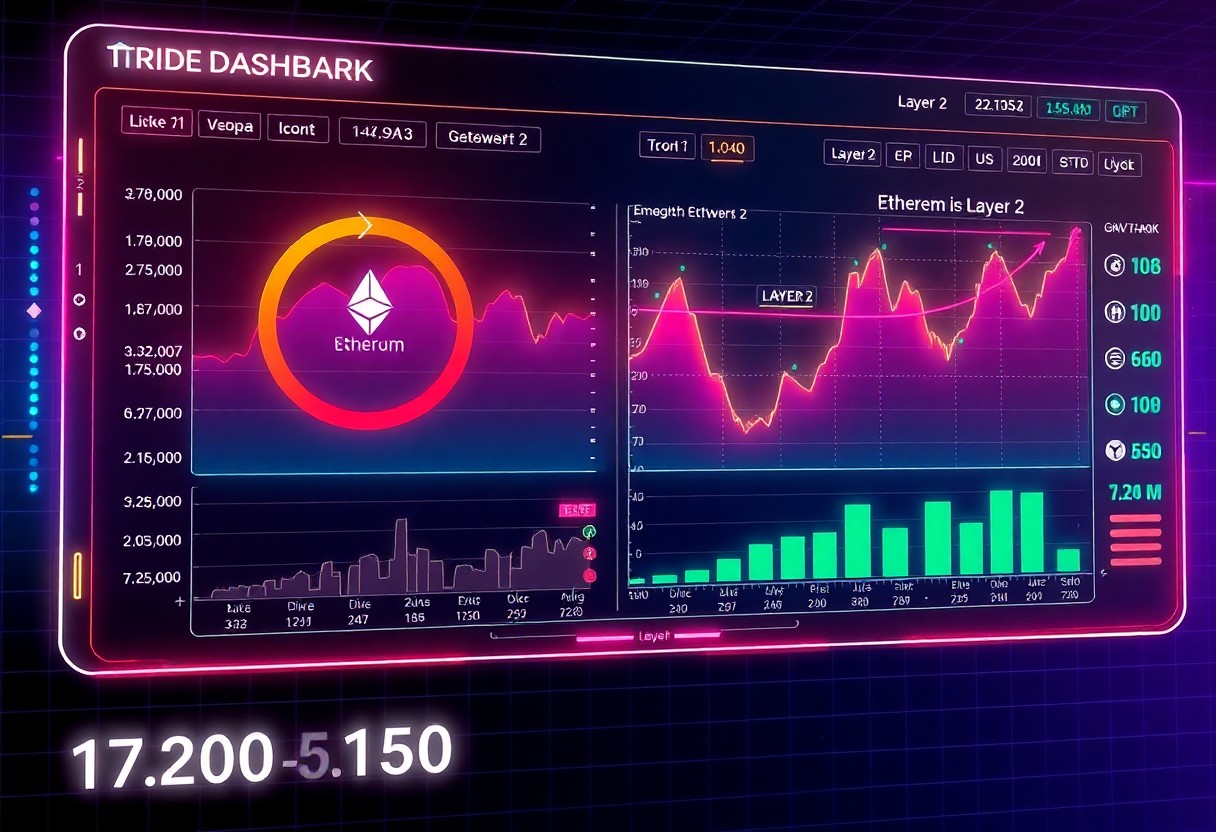
The landscape of trading is transforming with the integration of liquidity mapping technologies. Future developments may include more sophisticated algorithms that provide real-time alerts on liquidity changes across multiple blockchains.
As blockchain ecosystems evolve, liquidity mapping is poised to evolve alongside them, further enhancing traders’ ability to respond to market changes with agility. Innovations such as machine learning algorithms may refine predictions based on past liquidity trends, potentially increasing trading accuracy. With greater emphasis on data visualization, traders will likely gain even deeper insights into liquidity patterns, allowing them to navigate markets more effectively while maximizing return on investment.
The Interplay Between Technology and Trading Strategies
Advanced Trading Algorithms
Advanced trading algorithms leverage complex mathematical models and data analysis to enhance decision-making in trading. These algorithms can process vast amounts of market data in real-time, identifying patterns and trends that human traders may overlook. This capability allows them to execute trades swiftly and effectively, capitalizing on fleeting market opportunities.
- Algorithmic trading reduces human error in executing trades.
- High-frequency trading can take advantage of minute price discrepancies.
- Market-making algorithms provide liquidity and facilitate smoother trades.
- Machine learning algorithms adapt to market changes for optimized performance.
| Algorithm Type | Key Features |
|---|---|
| Statistical Arbitrage | Relies on mathematical models to exploit pricing inefficiencies. |
| Market-Making | Provides liquidity through continuous bid and ask offers. |
| Sentiment Analysis | Analyzes social media and news for market sentiment indicators. |
Role of Artificial Intelligence in Trading Decisions
Artificial intelligence plays a significant role in modern trading by automating analyses and enhancing strategic decisions. AI systems can evaluate market conditions, interpret trading signals, and adjust strategies with remarkable speed, thus providing traders with a comprehensive edge.
The integration of AI in trading allows for real-time data processing and predictive analytics, which leads to improved accuracy in forecasting market movements. By analyzing historical data and current trends, AI systems can identify potential profitable trades, adapt strategies in response to market dynamics, and ultimately minimize risks. With the ability to learn from past outcomes, these intelligent systems continuously evolve, shaping the future of trading.
The Future of Tech-Driven Liquidity Analysis
Tech-driven liquidity analysis is poised to transform the trading landscape, as increased computational power and sophisticated algorithms enhance market insights. The convergence of blockchain technology and AI signals a forthcoming era of unprecedented trading efficiency.
As financial markets become more interconnected, liquidity analysis will benefit from innovative tools that aggregate and interpret vast datasets in real-time. Future advancements will likely include enhanced predictive capabilities and visualization techniques, allowing traders to navigate complex environments more effectively. The fusion of technology and liquidity mapping has the potential to create a dynamic framework, empowering traders to optimize their strategies and capitalize on emerging market opportunities.
Regulatory Landscape: Challenges and Opportunities
Overview of Current Regulations
The evolving regulatory landscape presents both challenges and opportunities for traders navigating Ethereum, L2s, and emerging chains. Agencies such as the SEC in the United States and ESMA in Europe are enacting legislation focused on consumer protection and market integrity. These regulations often vary significantly across jurisdictions, complicating compliance. For a deeper examine regulatory implications, consider resources on Blockchain On-Chain Analysis for Crypto Trading.
The Impact of Regulation on Liquidity Mapping
Regulatory frameworks directly influence liquidity mapping by shaping market behaviors. Regulations can hinder trading activities by instilling caution among market participants or can inadvertently encourage more transparent liquidity flows. Traders need to stay informed, as stricter regulations often lead to diminished trading volumes in certain assets, thereby altering liquidity dynamics.
As regulations tighten, traders may observe a contraction in liquidity for particular cryptocurrencies, especially in jurisdictions with stringent compliance requirements. They should adapt by closely monitoring regulatory announcements and understanding their implications on asset liquidity. For instance, a sudden regulatory decision may lead to sharp capital shifts, creating isolated liquidity pools that could prompt trading opportunities or risks.
Future Predictions for Regulation in Crypto
Advancements in regulations may foster innovation, with potential implications for liquidity mapping. It’s feasible that with clearer guidelines, capital could flow more freely among established cryptocurrencies and emerging chains. This, in turn, could lead to a resurgence in liquidity as traders seek compliance-friendly assets, enabling more dynamic rotation strategies among Ethereum, L2s, and beyond.
Global Market Impacts on Liquidity Mapping
Economic Factors Affecting Markets
Economic factors significantly influence market liquidity and trading behaviors. Indicators such as interest rates, inflation, and unemployment can drive investors towards or away from assets like Ethereum and emerging chains. Liquidity mapping thus becomes imperative for traders to align their strategies with prevailing economic trends.
- Interest rates
- Inflation rates
- Unemployment levels
- GDP growth
Any shift in these indicators can alter market sentiment, necessitating adaptive trading strategies.
Geopolitical Impacts on Liquidity
Geopolitical events can create significant fluctuations in market liquidity. Tensions between nations, trade wars, and political instability often catalyze cautious trading behavior, leading to liquidity drain in certain assets.
For instance, during instances of geopolitical unrest, traders may prioritize stability, moving their investments into less volatile assets. Events such as elections or international conflicts can provoke sudden shifts in the market. Consequently, traders need to monitor geopolitical developments closely, as these can significantly impact trading volumes and asset rotation.
Cross-Border Challenges in Trading
Cross-border trading presents unique challenges that can complicate liquidity mapping. Variances in regulations, tax implications, and currency risks often hinder seamless transactions.
Additionally, fluctuations in exchange rates can affect pricing and ultimately influence traders’ decisions. For instance, if a trader in one country trades an asset based in another currency, any adverse movement in currency valuations can lead to losses. Being aware of cross-border dynamics allows traders to anticipate potential liquidity issues and refine their strategies accordingly.
Final Words
With these considerations, they can discern patterns in liquidity flows that facilitate informed trading decisions. By mapping liquidity across Ethereum, Layer 2 solutions, and emerging chains, traders are equipped to anticipate market rotations and allocate resources efficiently. This analytical approach enhances their understanding of market dynamics, enabling them to navigate complexities with greater precision and foresight. As the crypto landscape evolves, the importance of liquidity mapping will continue to resonate deeply within the strategies of savvy traders, fostering an environment of enlightened trading practices.
FAQ
Q: What is liquidity mapping?
A: Liquidity mapping is a process where traders analyze and visualize the flow of liquidity across various cryptocurrency markets, helping them identify trends and potential trading opportunities.
Q: How does liquidity mapping benefit traders?
A: It allows traders to anticipate market movements by understanding where liquidity is concentrated, enabling them to make informed decisions about entering or exiting positions in Ethereum, L2s, and emerging chains.
Q: Why is liquidity important in trading cryptocurrencies?
A: Liquidity indicates how easily assets can be bought or sold without significantly affecting their price, which is vital for executing trades effectively and minimizing slippage.
Q: How can traders use liquidity mapping to identify rotation between Ethereum and L2s?
A: By tracking liquidity flows, traders can observe shifts in interest from Ethereum to L2 solutions, indicating potential opportunities for gains in price movements as traders seek more scalable options.
Q: What role do emerging chains play in liquidity mapping?
A: Emerging chains often attract liquidity as traders search for new opportunities, and mapping this influx helps traders predict when funds may rotate from established assets like Ethereum and L2s to these new platforms.
Q: Can liquidity mapping help in risk management?
A: Yes, understanding liquidity can help traders assess market depth and volatility, allowing them to devise strategies to manage risk effectively while navigating transitions between assets.
Q: Are there specific tools or platforms for liquidity mapping?
A: Several platforms provide liquidity analysis features, including on-chain analytics tools and trading dashboards, which offer visual representations of liquidity flows across different markets.
